Chat now with a product specialist to assist with quotes or product questions.

Established in 1954 in Anneyron, France, Lafuma began with a straightforward mission: engineer equipment capable of handling the demands of serious outdoor adventure. The Lafuma brothers first gained recognition for their innovative metal-framed backpacks, designed to support climbers navigating rugged alpine terrain. Those early designs emphasized lightness, strength, and efficiency, principles that would later shape the brand’s expansion into outdoor furniture
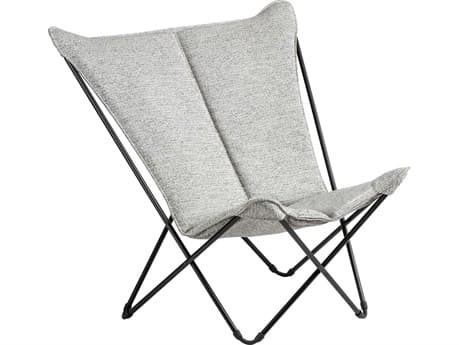
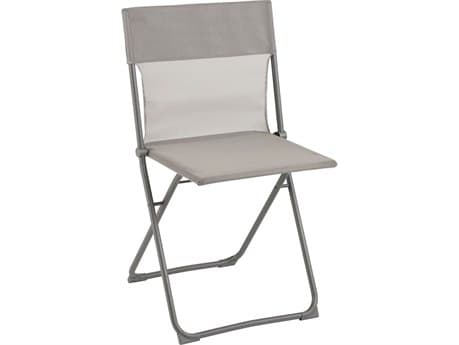
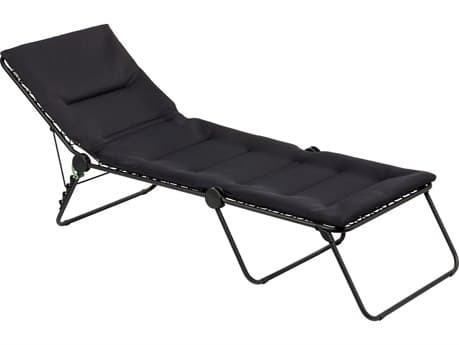
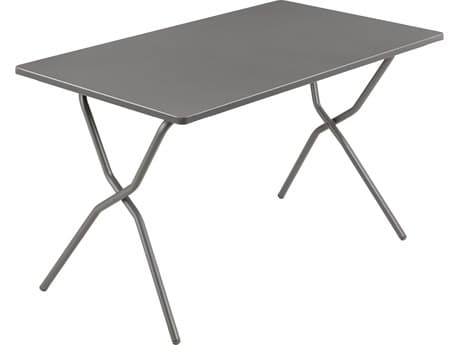
As leisure culture evolved in the latter half of the twentieth century, Lafuma applied its technical expertise to seating solutions that mirrored its mountaineering roots. Rather than crafting bulky patio furniture, the company approached chairs and loungers as engineered objects. Tubular steel frames, precisely tensioned performance fabrics, and folding structures became defining features. Each element was developed with the same discipline used in outdoor gear: eliminate excess, improve function, and prioritize durability.
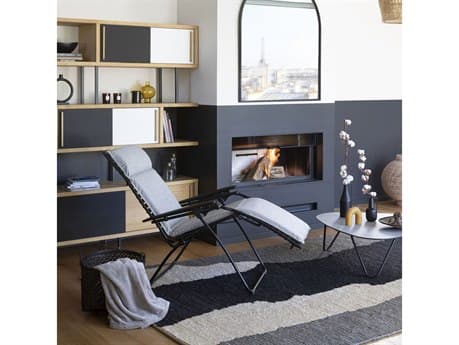
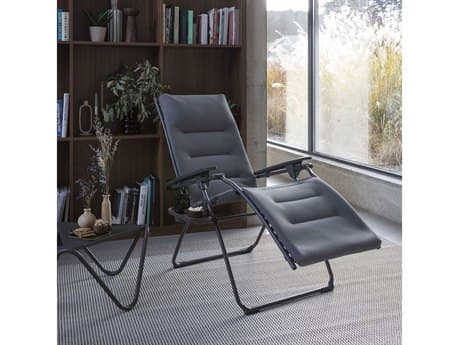
This problem-solving heritage is a key reason Lafuma feels distinctly modern. Modern design values clarity of purpose, structural honesty, and thoughtful restraint. Lafuma’s pieces expose their frameworks rather than conceal them. The lines are clean. The forms are uncomplicated. Materials are selected for performance, not ornament. A zero-gravity recliner is not styled to impress—it is calibrated to support the body in a balanced, weight-distributing position. That balance of ergonomics and minimalism speaks directly to contemporary sensibilities.
Production continues in France for much of the collection, allowing Lafuma Mobilier to maintain close oversight of quality and sustainability standards. Replaceable fabrics, repairable components, and long product lifespans reflect a forward-thinking philosophy aligned with modern environmental priorities. In a market often driven by disposability, Lafuma’s commitment to longevity feels progressive rather than nostalgic.
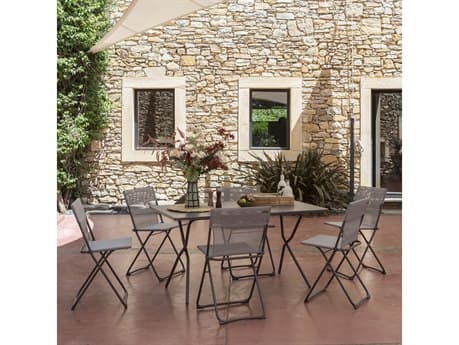
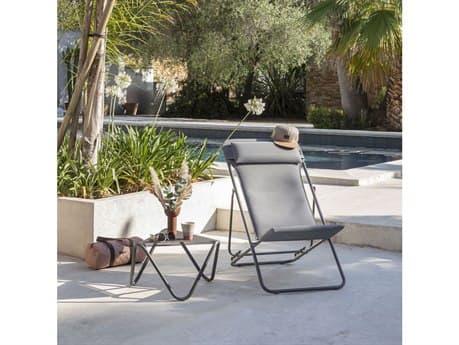
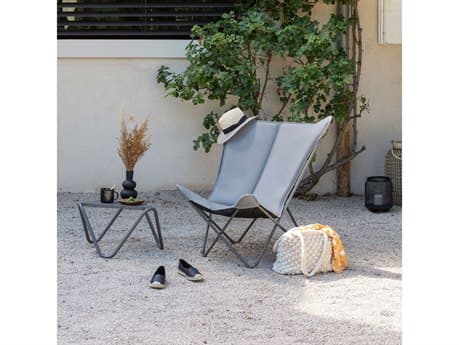
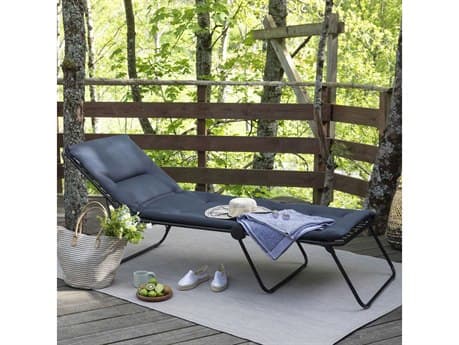
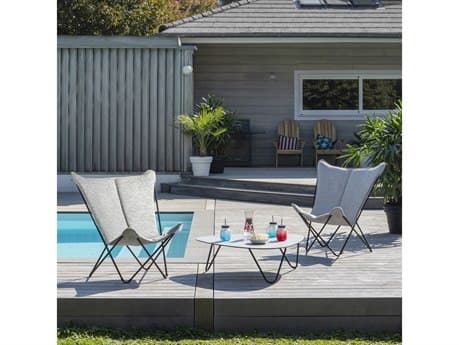
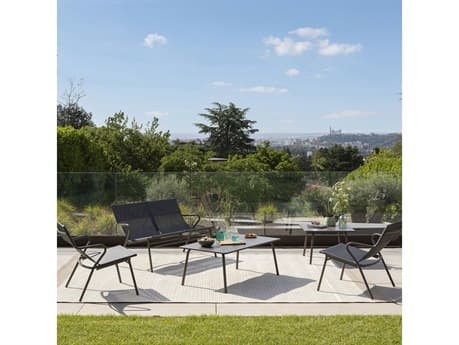
Visually, the brand’s aesthetic integrates easily into current architectural spaces. Its streamlined silhouettes complement glass, concrete, and natural wood without competing for attention. Neutral tones and performance textiles enhance versatility, making the pieces equally suited to a city balcony, a lakeside deck, or a contemporary rooftop terrace.
Lafuma’s trajectory illustrates a consistent thread: innovation guided by real-world use. Its modernity is not a stylistic trend; it is embedded in the company’s DNA. The brand stands as a study in how technical heritage, disciplined design, and enduring functionality can create outdoor furniture that feels both historically grounded and unmistakably current.